
|
||||||||||||||||||||||||||||||||
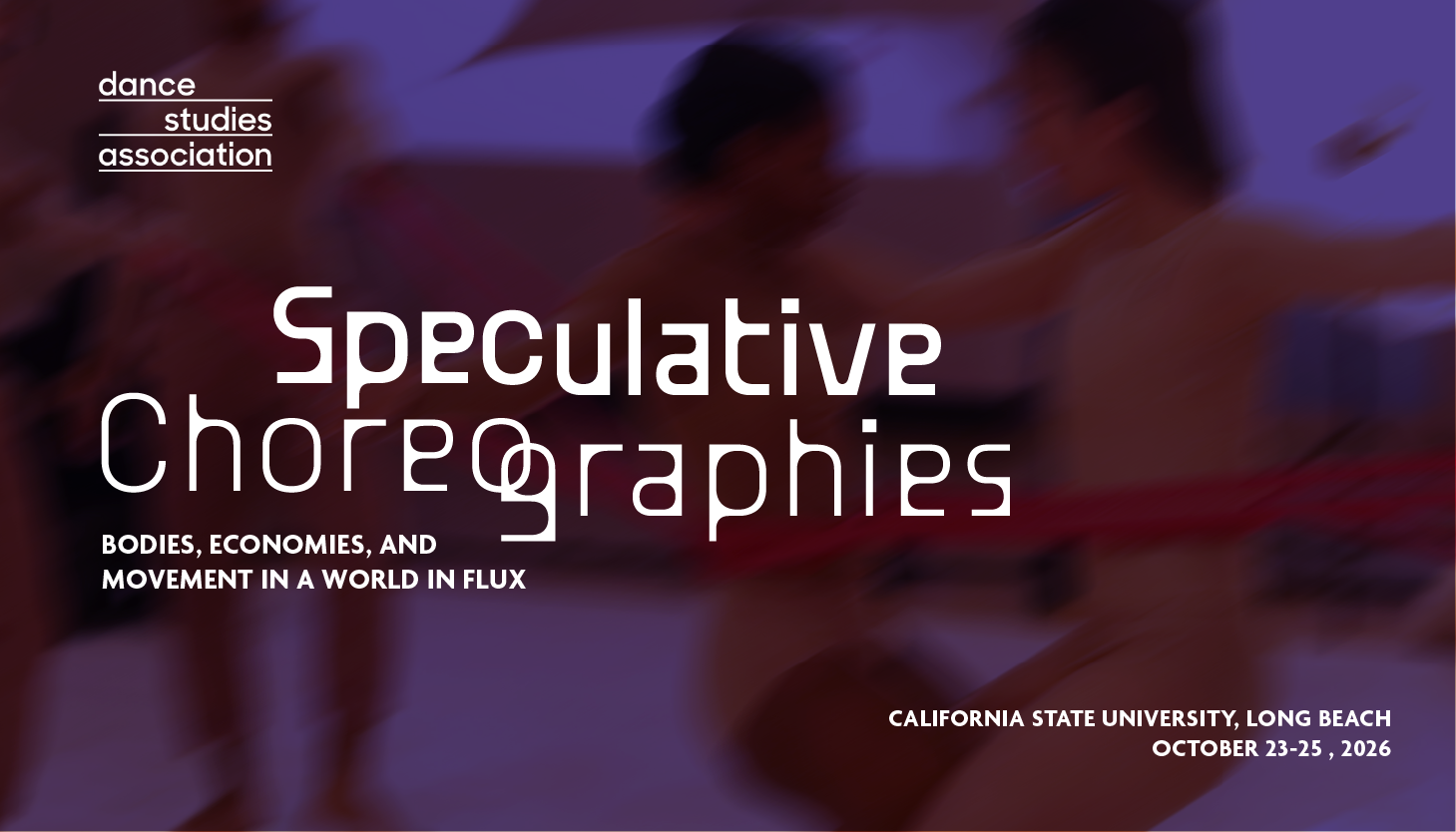 Speculative Choreographies:
2026 Registration Fees
|
|||
|
Registration Type |
Early Bird Rates |
Standard Rates |
Late/Onsite Rates (after October 15, 2026) |
| Member | $262 | $287 | $312 |
| Student/Contingent/Independent Member | $157 | $182 | $212 |
| Non-Member | $375 | $395 | $425 |
| Student/Contingent/Independent Non-Member | $205 | $230 | $260 |
| One-day registration | $150 | ||
| Virtual | $100 | ||
All rates in US dollars. Paid registrants who are now unable to attend may review our refund request policy.
Register Today
Travel Guide for Speculative Choreographies
The Conference Co-chairs have compiled a travel document with more information about the conference locations, transit options, and more. Check back often as this resource will be updated as travel guidelines shift.
The Long Beach Tourism Bureau has prepared offers and recommendations for DSA attendees. Check out the offers on the Long Beach Vibe City website.
Access the Conference Travel Guide
Lodging for Speculative Choreographies
NOTE: Our room block at the official conference hotel is full. If you are planning on attending and have not secured a hotel reservation search for hotel availability via our trusted partner aRes Travel.
The official hotel for DSA's 2026 conference is located only 5 miles from the beach in a pleasant, suburban neighborhood with great convenience to Long Beach Airport and major freeways. Join us for the Opening Member Breakfast hosted at the hotel on Friday, October 23.
Long Beach Marriott
4700 Airport Plaza Drive Long Beach
California, USA, 90815
199.00 USD per night (rate available through September 29, 2026)
Book Your Room Today
Conference Co-Chairs
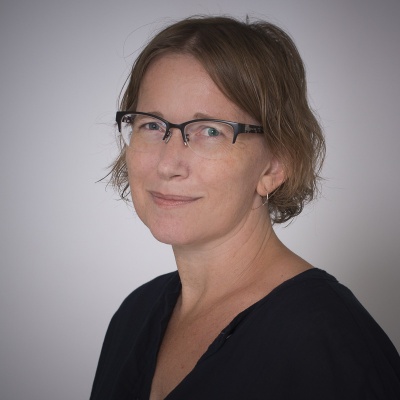
Colleen T. Dunagan is Professor and Chair in the Department of Dance at California State University, Long Beach, where she teaches undergraduate and graduate courses in dance studies. She holds a Ph.D. in Dance History and Theory from the University of California, Riverside. Her monograph, Consuming Dance: Choreography and Advertising (Oxford University Press, 2018), examines dance in advertising and its production of affect and its role in advertising’s modelling of subjectivity. Dunagan’s current research examines dance in relationship to Susanne K. Langer’s aesthetic theory and aesthetic capitalism, as well as the role of dancerly embodiment in horror films. Her research on dance in media appears in several publications, including Dance in U.S. Popular Culture (2024), Dance Research Journal, The Oxford Handbook of Dance and the Popular Screen (2014), Movies Moves and Music (2016), and The Oxford Handbook of Dance and Theater (2015). Her creative work encompasses dancemaking on both stage and screen.

Arushi Singh is a dance scholar, writer, educator, and performer from New Delhi, now based in Los Angeles. Her award-winning research intervenes in global conversations on performance, institutional theory, and political economy by centering the choreographic practices and cultural infrastructures of contemporary South Asia.
Her work contributes original theoretical frameworks that reposition dance as a critical methodology for understanding governance, labor, and world-making. Her recent article in Didaskalia advances the concept of infrastructural intermediality, reframing contemporary Indian dance as a site where aesthetic production is inseparable from the economic logics, spatial architectures, and curatorial protocols shaping the region’s visual-arts infrastructures. By theorizing choreography as a mode of navigating—and strategically reconfiguring—these institutional terrains, she demonstrates how artists mobilize movement as both critique and proposition, generating new forms of kinesthetic, political, and intermedial thought.
Her other writing appears in South Asian Dance Intersections, Conversations Across the Field of Dance Studies, Dance Chronicle, Race & Yoga, and Tilt Pause Shift: Dance Ecologies in India, with forthcoming essays in The Oxford Handbook of Dance Praxis and Jacob’s Pillow Dance Interactive. Across these publications, she brings together archival research, ethnography, institutional analysis, and movement studies to expand understandings of how performance circulates within shifting global and regional economies.
At Chapman University, Singh teaches courses in dance history and theory that bridge embodied practice with critical inquiry. As Editor-in-Chief of Conversations Across the Field of Dance Studies, she fosters editorial and curatorial practices that are porous, collaborative, and attuned to the evolving transdisciplinary and transcultural discourses shaping the field. She holds a PhD in Culture and Performance from UCLA.
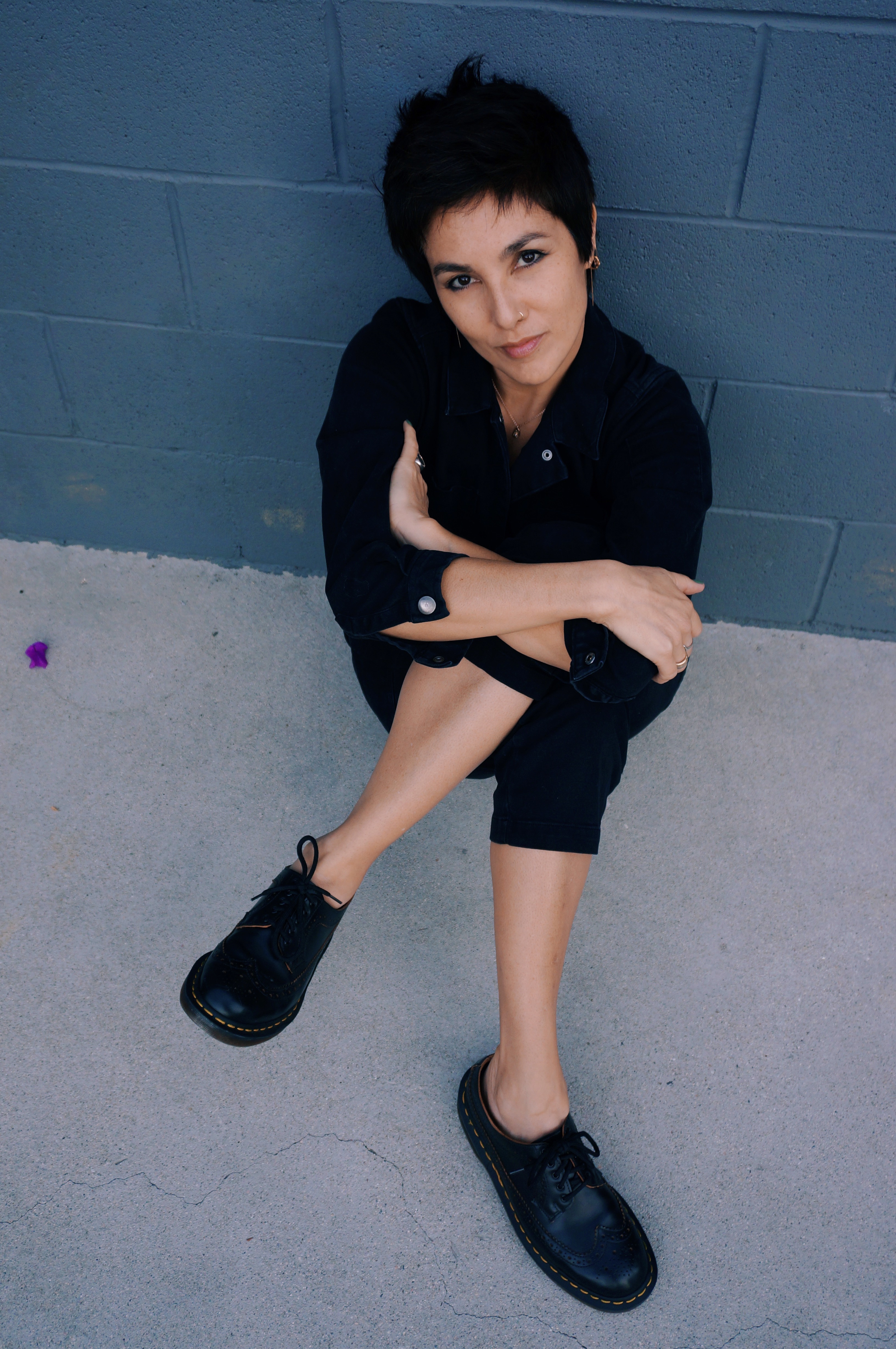 Ariel Osterweis (she/they) is the Founder and Executive Director of a new Los Angeles-based organization called BODY SHOP Performance Projects. With a focus on queer and trans people of color in collaboration and dialogue, BODY SHOP brings embodied performance and dance into spaces of encounter with allied arts. An active scholar-practitioner of dance and performance, Osterweis has a Ph.D. in Performance Studies from UC Berkeley and was on faculty at CalArts for a decade, teaching courses in Performance Studies and Critical Dance Studies. Before CalArts, Osterweis was on faculty at Skidmore College and Wayne State University. Their award-winning book, Body Impossible: Desmond Richardson and the Politics of Virtuosity, is published with Oxford University Press (Oxford Studies in Dance Theory Series, 2024), and current book projects include Prophylactic Aesthetics: Latex, Spandex, and Sexual Anxieties Performed (University of Michigan Press, Theater: Theory/Text/Performance Series), Disavowing Virtuosity, Performing Aspiration: Dance and Performance Interviews (Routledge), and Prince Moves. Osterweis has danced and performed professionally with Complexions Contemporary Ballet, Mia Michaels R.A.W., Heidi Latsky, and Julie Tolentino. They were also a dramaturg for John Jasperse, Narcissister, and a.k. payne, and directed evening-length performances, Jérôme Bel and Talent Show at REDCAT. Most recently, Osterweis has been the dramaturg and producer of Wandering with John Jasperse and Julie Mehretu at Marian Goodman Gallery, New York (2025-26), MSN Warsaw (2026), and Museo Jumex in Mexico City (2027). Osterweis is a queer, mixed-race, Korean-American parent of two teens and a tween.